Bakery Goods Font: Vintage Charm for Handmade Labels & Printables
If you’ve ever held a hand-stamped candle label, traced a rustic wedding invitation, or admired the quiet confidence of a well-designed boutique tag—you know how much a single typeface can shape perception. Bakery Goods isn’t just another display font. It’s that warm, slightly weathered, gently nostalgic voice your handmade products have been waiting for—a vintage-styled typeface with real commercial versatility and unmistakable craft soul.
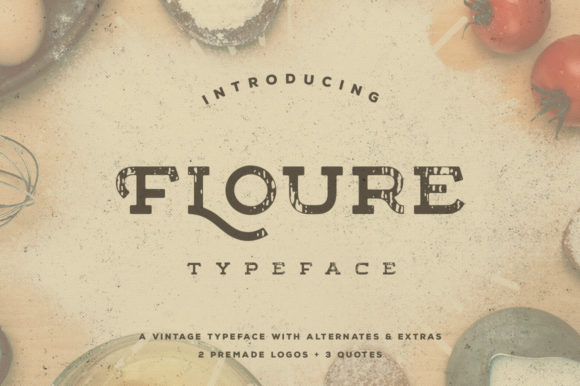
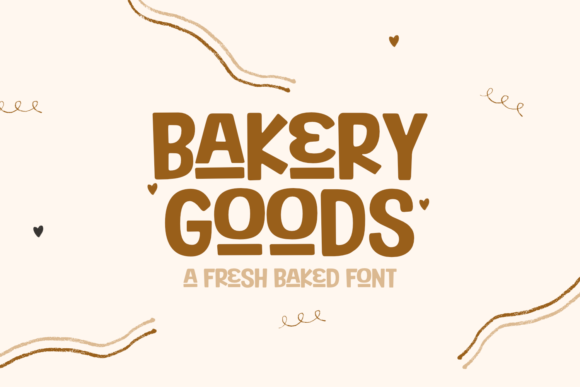
Visually, Bakery Goods balances charm and clarity. Its letterforms carry soft curves, subtle ink-trail texture, and a relaxed rhythm that feels hand-drawn but never sloppy. Think of it as the typographic equivalent of a well-loved apron—slightly faded at the edges, full of character, and built to last through countless projects. It’s not overly ornate, so it scales beautifully from tiny 6pt sticker text to bold 120pt wall art. And because it’s designed as a display font, it shines brightest where personality matters most: titles, signage, packaging fronts, and hero text on digital printables.
For Etsy sellers and small-batch makers, readability and cut accuracy are non-negotiable—and Bakery Goods delivers. Its open counters (like the inside of ‘a’, ‘e’, and ‘o’) stay clean even at small sizes. I’ve used it for 3/4″ kraft paper tags on soy candles without losing legibility, and it cuts flawlessly on both Cricut Maker and Silhouette Cameo—no jagged joins or collapsed terminals. On printed greeting cards or planner inserts, it holds crispness through home inkjet and professional offset runs alike. Just avoid using it for dense body copy; this is a font that leads, not follows.
Where does Bakery Goods truly come alive? Start with product labels: imagine “Lavender Honey Oat” in Bakery Goods across a matte-finish soap label—soft but authoritative, artisanal but trustworthy. Use it for seasonal stickers (“Pumpkin Spice & Everything Nice”, “Merry & Bright”) where warmth invites touch and sharing. It anchors wedding stationery beautifully—especially welcome signs, menu boards, and envelope liners—adding heritage without formality. For digital printables, it elevates quote posters, habit trackers, and tea-towel patterns with instant visual cohesion. And yes—it works on mugs, tote bags, and wooden signs when paired with simple vector outlines or light shadow effects.
One of my favorite real-world uses? Farmhouse-style bakery tags for cookie boxes. I pair Bakery Goods with a clean, low-contrast sans serif (think Montserrat Light or Poppins Regular) for ingredient lists and weight info. The contrast tells a story: “This is lovingly made” (Bakery Goods), “and thoughtfully sourced” (sans serif). That kind of intentional font pairing strengthens brand identity without shouting. You can also layer it with a delicate script for names or monograms—just keep the script subtle so Bakery Goods remains the anchor.
Before you download, check what’s included. As a premium font, Bakery Goods typically ships with OTF and TTF files, plus stylistic alternates and ligatures that add nuance—like a swashed capital ‘B’ for logos or a connected ‘th’ for smoother flow in phrases. Some versions include multilingual support (extended Latin), which matters if you sell internationally or design bilingual baby announcements. Always verify file formats before purchase, especially if you’re prepping SVGs for cutting machines or layered templates for Canva users.
Here’s what matters most for your business: commercial licensing. Bakery Goods is licensed for physical product use—so yes, you can stamp it on jar labels, embroider it onto tea towels, or embed it in printable PDFs you sell on Etsy. You can use it in client work (like designing a local café’s menu board) and in digital downloads (SVG bundles, Canva templates, Procreate brushes with text guides). What you *can’t* do is resell the font file itself or claim it as your own design asset. Stick to the license terms, and you’ll protect both your shop and the designer who created this gem.
Think about the emotional resonance it brings. A customer doesn’t just buy a greeting card—they buy the feeling of being remembered. Bakery Goods helps deliver that. Its gentle imperfection says “human-made,” its consistency says “thoughtful,” and its vintage tone says “timeless.” That’s why it works equally well on a minimalist holiday ornament tag and a boho birthday invitation suite. It doesn’t compete with your product—it frames it with quiet confidence.
Practical tip: When mocking up designs for listings, preview Bakery Goods at actual print size—not just screen zoom. Test it on your intended substrate: kraft paper behaves differently than glossy sticker stock, and heat-transfer vinyl needs tighter spacing than printed cardstock. Also, avoid ultra-thin weights for small-cut decals; stick to the standard or bold version for maximum durability in production.
Finally, don’t underestimate how much brand consistency relies on smart typography. Using Bakery Goods across your shop banner, product tags, Instagram story highlights, and packaging inserts creates subconscious recognition. Customers begin to associate that gentle curve of the ‘g’, that balanced x-height, with your shop’s values—craft, care, authenticity. That’s not marketing magic. It’s thoughtful typography, applied daily.
Whether you’re sketching ideas in a notebook or exporting final SVGs at midnight, Bakery Goods fits into your workflow like a well-worn tool—reliable, expressive, and quietly powerful. It won’t solve every design challenge, but for anyone building a handmade brand rooted in warmth and intention, it’s one of those rare display fonts that earns its place in your core design assets—again and again.